
Some time ago, perhaps many of us were shocked by the news that new games from Koei Tecmo did not appear on the Steam page specifically for the Indonesian region. This suddenly made many local gamers wonder why the developer based in Yokohama, Japan did this.
Launching from Kokang Gaming, it is known that region lock This happened not because Koei Tecmo didn’t want to release its new games in Indonesia, but because these games apparently haven’t received an official rating from IGRS.
Koei Tecmo Taiwan, which is responsible for the distribution of the game in Southeast Asia, said that they have sent a classification application and are currently still waiting for a reply from IGRS and Komdigi as the bodies that oversee it.
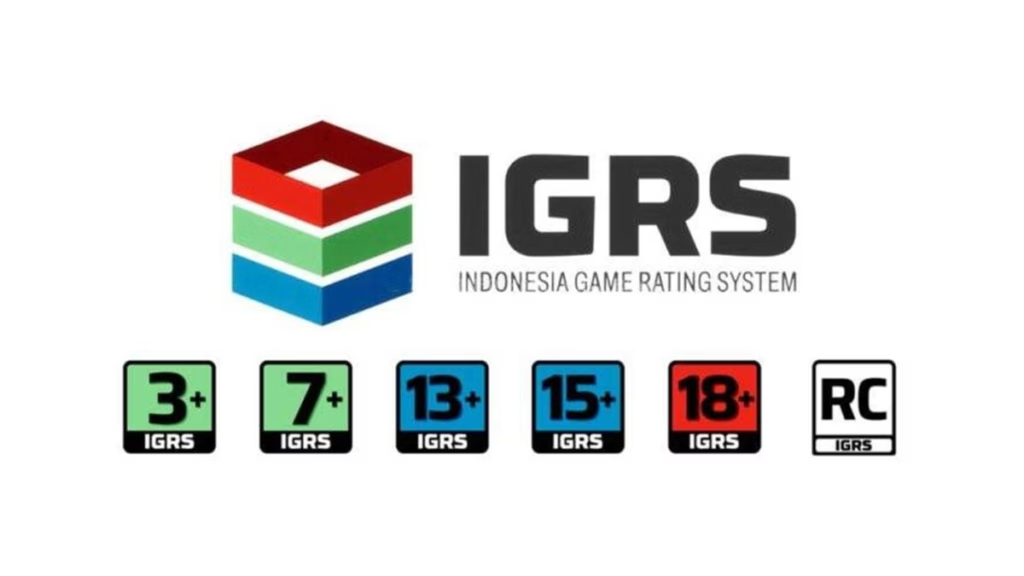
At the same time, this also reminds us that Komdigi decided last April to temporarily postpone the implementation of IGRS and overhaul its assessment and classification system to make it more objective and on target.
Koei Tecmo’s new games are exposed region lock in Indonesia
There are several new Koei Tecmo games that will be available in the future but are still affected region lock in Indonesia are the following reasons:
- Attack on Titan 3
- Ateliar Karia: Night Kingdom & Memories Guide
- Wo Long 2: Wings of Ember
- Blue Reflection Quartet
One other interesting thing, Dynasty Warriors 3: Complete Edition Remastered can still be accessed on Steam, it’s just that there is no option to do so. pre-order.
Furthermore, Koei Tecmo also stated that they would immediately make their new games accessible immediately when the IGRS classification process was complete.
So, what do you think about this? crime? Come on, let’s get straight to it share your opinion in the comments column.
Also read interesting information or other cool articles from Andy Julianto. For further information and other inquiries, you can contact us via writer@gamebrott.com
PakarPBN
A Private Blog Network (PBN) is a collection of websites that are controlled by a single individual or organization and used primarily to build backlinks to a “money site” in order to influence its ranking in search engines such as Google. The core idea behind a PBN is based on the importance of backlinks in Google’s ranking algorithm. Since Google views backlinks as signals of authority and trust, some website owners attempt to artificially create these signals through a controlled network of sites.
In a typical PBN setup, the owner acquires expired or aged domains that already have existing authority, backlinks, and history. These domains are rebuilt with new content and hosted separately, often using different IP addresses, hosting providers, themes, and ownership details to make them appear unrelated. Within the content published on these sites, links are strategically placed that point to the main website the owner wants to rank higher. By doing this, the owner attempts to pass link equity (also known as “link juice”) from the PBN sites to the target website.
The purpose of a PBN is to give the impression that the target website is naturally earning links from multiple independent sources. If done effectively, this can temporarily improve keyword rankings, increase organic visibility, and drive more traffic from search results.